


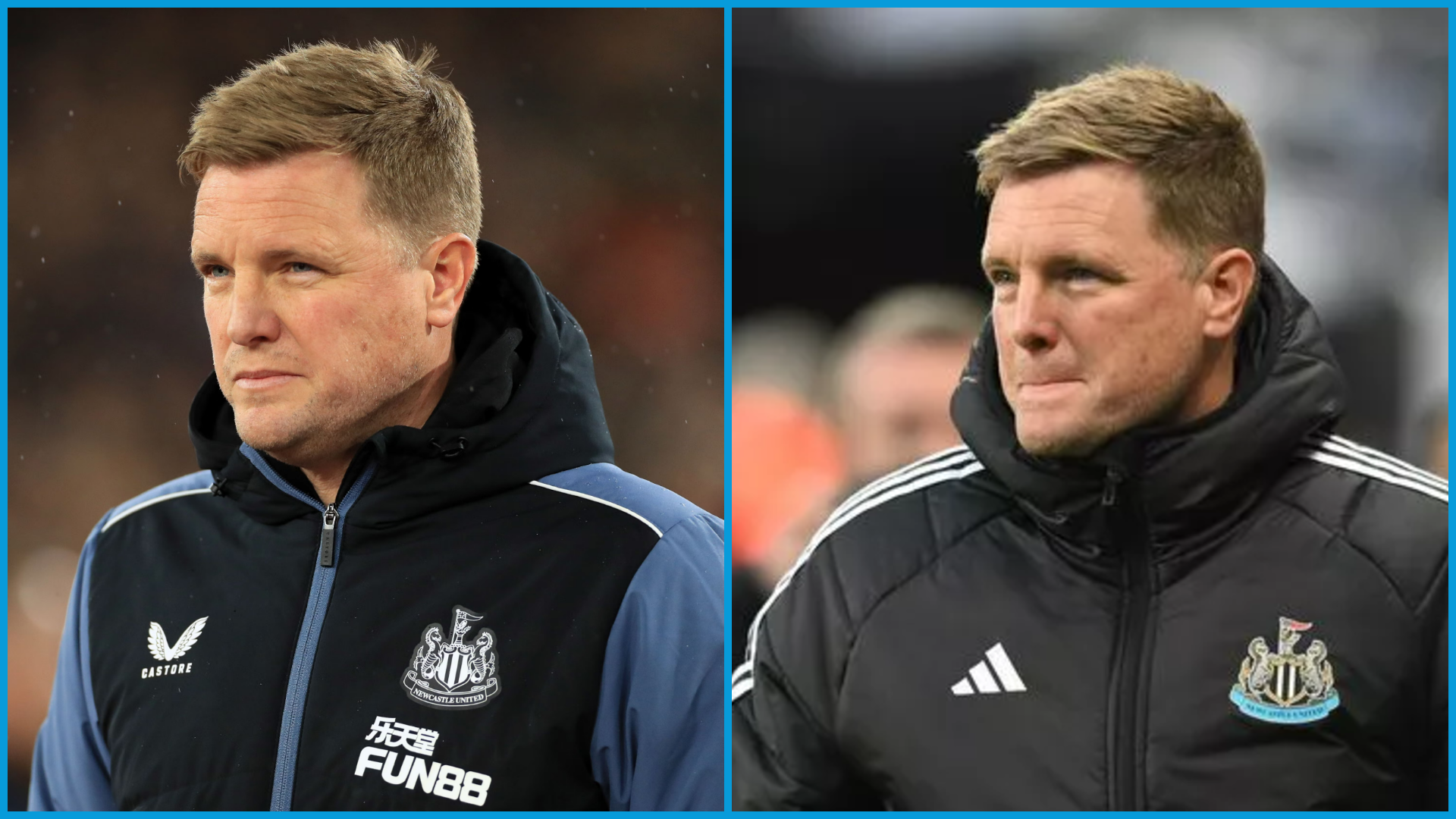
Eddie Howe Illness: What Happened to Newcastle’s Inspirational Manager?
Introduction: Eddie Howe’s Unexpected Health Scare
When Eddie Howe’s illness was first reported in early April 2025, fans across the Premier League were shocked. The Newcastle United manager—known for his energy, discipline, and intensity—was suddenly sidelined due to a serious bout of pneumonia that required hospital treatment.
In a sport that thrives on endurance and constant pressure, the news served as a stark reminder that even football’s sharpest minds are not immune to health challenges. Howe’s illness became one of the most discussed topics in British sport, sparking nationwide concern and respect for his commitment to return stronger.
Who Is Eddie Howe? A Quick Profile
Before diving deeper into Eddie Howe’s illness, it’s worth understanding the man behind the headlines. Eddie Howe, born in 1977 in Amersham, England, has become one of the most respected English football managers of his generation.
After making his name as Bournemouth’s head coach, guiding the club from League Two to the Premier League, he took charge of Newcastle United in November 2021. Under his leadership, the club transformed from relegation battlers into European contenders, praised for their tactical discipline and high-pressing style.
Known for his humility, professionalism, and meticulous approach, Eddie Howe is not just a tactician but a leader who embodies modern football management. That’s what made the news of his illness even more startling to fans and pundits alike.
Eddie Howe’s Illness: The Early Signs
According to official club updates and reliable media reports, Eddie Howe’s illness began with what seemed like mild flu symptoms. Initially, he experienced fatigue, coughing, and shortness of breath but continued to manage training sessions and matches.
However, his condition worsened rapidly. Despite his trademark determination to carry on, he was eventually advised by Newcastle’s medical team to rest and undergo tests. Within days, doctors diagnosed him with pneumonia, a serious lung infection that can cause inflammation and breathing difficulties.
Newcastle United later confirmed that Howe had been admitted to hospital for treatment and would miss upcoming matches to focus on his recovery.
Hospitalisation and Diagnosis: The Truth About Eddie Howe’s Illness
Pneumonia can affect anyone, but for a football manager under constant stress, lack of rest and exposure to the elements during training can worsen symptoms. In Howe’s case, the infection had progressed to a stage that required hospitalisation.
An official club statement confirmed:
“Eddie Howe is recovering in hospital after being diagnosed with pneumonia. He is receiving excellent care and is in good spirits.”
This official confirmation put to rest many rumours circulating online. The club’s transparency was widely praised, with fans flooding social media with messages of support.
While Howe remained hospitalised, assistant coach Jason Tindall stepped in to lead Newcastle United for several matches, ensuring stability during a difficult period.
How Newcastle United Coped During His Absence
Newcastle’s backroom staff demonstrated remarkable professionalism in Howe’s absence. Jason Tindall and Graeme Jones temporarily shared managerial duties, maintaining the team’s structure and morale.
The Magpies, although inconsistent, showed resilience—reflecting the culture Howe had built over his tenure. Players like Kieran Trippier and Callum Wilson openly dedicated wins to their recovering manager, showing how deeply Eddie Howe’s illness affected the dressing room.
Newcastle supporters displayed banners reading “Get Well Soon, Eddie” during home games, underscoring the emotional connection between the manager and the fan base.
Eddie Howe’s Road to Recovery
After several weeks of rest and medical supervision, Eddie Howe was discharged and began his gradual return to the club. In late April 2025, he made his first public appearance back at the Newcastle training ground, smiling but visibly thinner.
In interviews, Howe revealed he was “not yet 100 per cent” but grateful for his recovery and eager to return to normal duties. His openness about his health was praised for its honesty—a refreshing approach in a world where many public figures prefer privacy.
He thanked the club doctor, Paul Catterson, and the NHS staff who treated him, saying their quick response likely prevented a more serious outcome.
Eddie Howe Speaks Out: Lessons From His Health Battle
During his first press conference after recovery, Eddie Howe’s illness became a symbol of resilience and humility. He admitted that he initially underestimated his symptoms:
“I tried to carry on because I didn’t want to miss anything. But looking back, I should’ve stopped earlier. Health has to come first.”
This admission resonated widely beyond football, with many professionals relating to the struggle of balancing ambition with wellbeing. Howe’s comments reflected the broader lesson that even leaders must know when to pause and heal.
He also credited his family for their unwavering support, noting how the experience deepened his appreciation for life outside football.
Fans’ Reactions and Support for the Newcastle Boss
Throughout Eddie Howe’s illness, fans from across the UK and beyond sent messages of encouragement. Social media was filled with hashtags like #GetWellSoonEddie, with rival fans from clubs like Sunderland, Liverpool, and Arsenal also wishing him a speedy recovery.
Supporters’ groups organized banners at St James’ Park, and even rival managers, including Pep Guardiola and Jürgen Klopp, publicly praised Howe’s professionalism and wished him well.
Such unity in football is rare, but Eddie Howe’s illness reminded everyone that beyond competition, humanity comes first.
The Broader Impact: Why Eddie Howe’s Illness Matters in Football
Eddie Howe’s health scare has sparked important conversations about the mental and physical toll of football management. Top-flight managers work long hours under relentless scrutiny, often sacrificing personal wellbeing for performance.
Howe’s transparency encouraged discussions around burnout, rest, and health care in elite sport. It showed that leaders who prioritize their health set a strong example—not a weak one.
The incident also highlighted Newcastle United’s strong internal culture. Their unity during Howe’s absence reflected a club built on respect, empathy, and professionalism.
Preventing Illness: Health Lessons From Eddie Howe’s Experience
While no one can completely avoid illness, there are key takeaways from Eddie Howe’s illness that apply to anyone juggling pressure and performance:
1. Listen to Your Body
Ignoring early symptoms can worsen conditions like pneumonia. Seeking medical advice early is crucial.
2. Prioritise Rest and Recovery
Overworking can weaken the immune system. Even the most driven leaders need downtime.
3. Build a Support Network
Having trusted colleagues (like Jason Tindall for Howe) ensures stability when unexpected events occur.
4. Lead by Example
By speaking openly about his illness, Howe destigmatised vulnerability and showed that strength includes self-care.
These lessons extend far beyond football—they apply to business leaders, athletes, and everyday individuals alike.
FAQs About Eddie Howe Illness
1. What illness did Eddie Howe have?
Eddie Howe was diagnosed with pneumonia, a lung infection that required hospital treatment in April 2025.
2. Is Eddie Howe fully recovered now?
As of the latest updates, he has returned to his managerial duties, though he has said he is “not yet 100 per cent physically.”
3. How long was Eddie Howe in hospital?
Exact details weren’t disclosed, but he reportedly spent around a week under medical supervision before continuing his recovery at home.
4. Who managed Newcastle United during Eddie Howe’s illness?
Assistant manager Jason Tindall, alongside Graeme Jones, temporarily led the team during Howe’s absence.
5. What can fans learn from Eddie Howe’s illness?
His experience underscores the importance of self-care, early diagnosis, and the courage to prioritise health—even in demanding careers.
Conclusion: Eddie Howe’s Resilience Inspires the Football World
Eddie Howe’s illness was more than a temporary setback—it became a powerful story of resilience, humility, and leadership. From the early warning signs to his triumphant return, Howe handled his health crisis with honesty and courage.
His recovery not only uplifted Newcastle United fans but also set an example for everyone in high-pressure professions: that caring for your health is a form of strength, not weakness.
As the Newcastle boss continues to rebuild both his fitness and his team’s ambitions, one thing is certain—Eddie Howe’s story will inspire football fans for years to come.
If you found this article insightful, share it with fellow football fans and subscribe to our blog for more in-depth updates on the Premier League, health in sport, and inspiring stories from the football world. Stay healthy, stay passionate—and remember, even the strongest need time to heal. Read More Post
